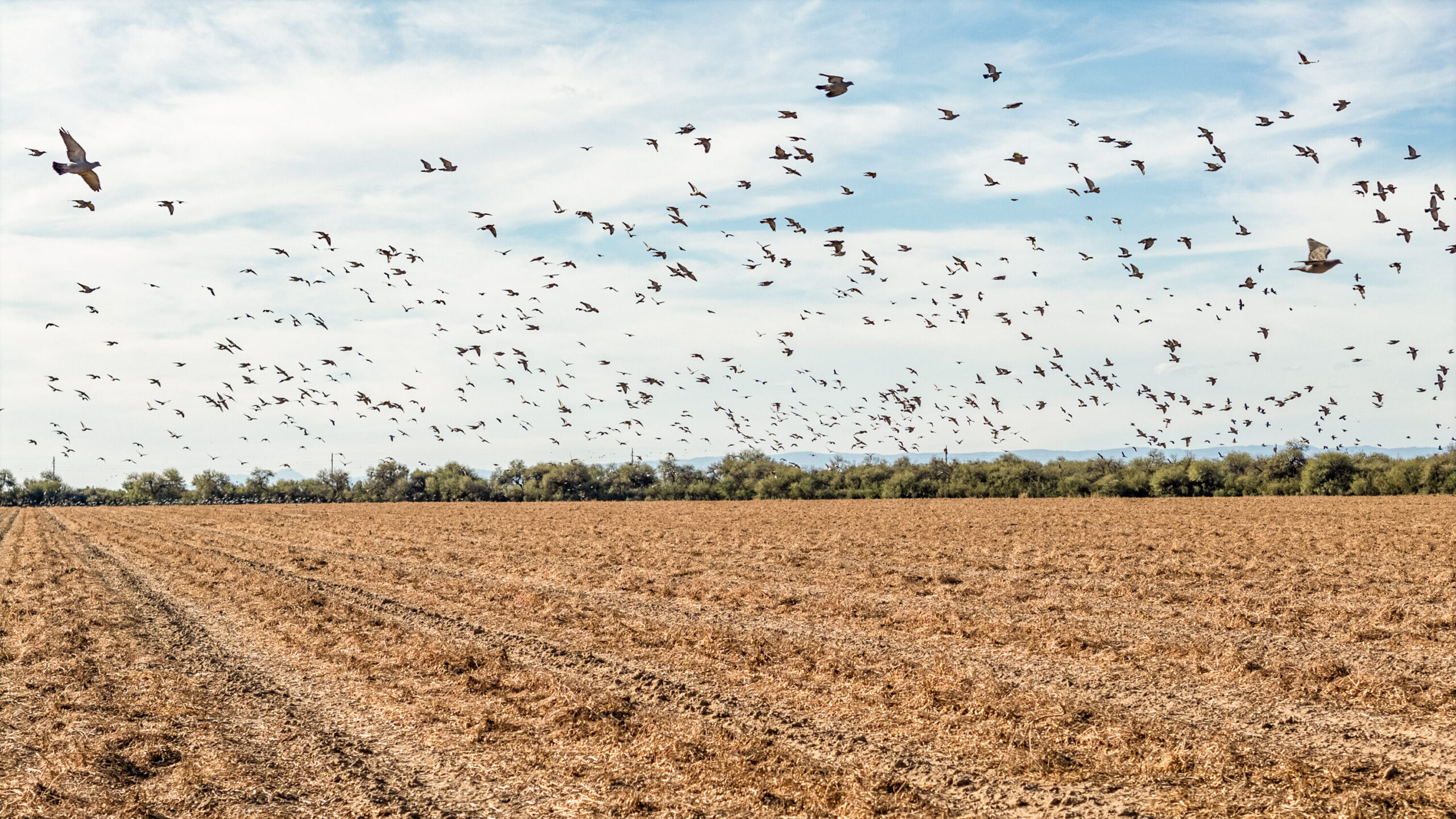
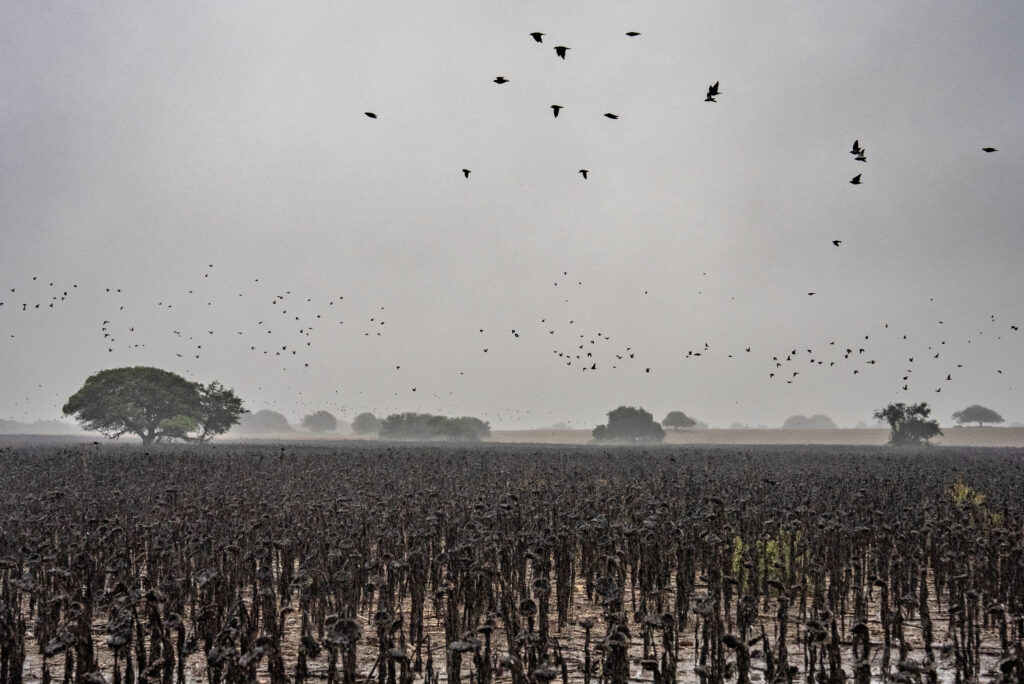
There’s a moment, just before shooting light, when the field is completely still. The air smells like wet earth and dry grass. Somewhere far off, a dove calls. Then another. Then the sky begins to move.
If you’ve never hunted doves in Córdoba, that first morning is impossible to fully describe. You have to feel it — the anticipation, the quiet, and then the sudden, overwhelming rush of birds on the wing.
This is what a day at H&H Outfitters actually looks like.
Before the Birds Move
Long before the shooting starts, there’s coffee.
The lodge kitchen comes alive early. By the time most guests roll out of bed, the staff has already laid out a proper Argentine breakfast — medialunas, toast, dulce de leche, scrambled eggs, fresh orange juice. These will provide the energy you need for a full morning in the field.
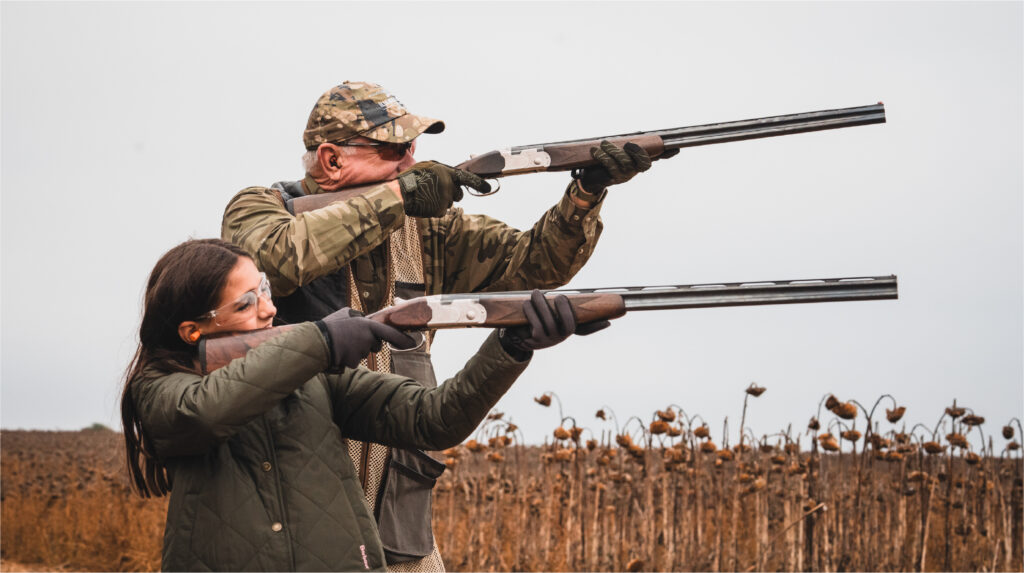
Gear checks happen here. Guns are retrieved from the safe, shells are loaded into vest pockets, and the guides — the men who will call every bird, track every shot, and keep you moving for the next six hours — are already waiting by the vehicles.
All these people are responsible for making the shooting day work.
The Drive Out
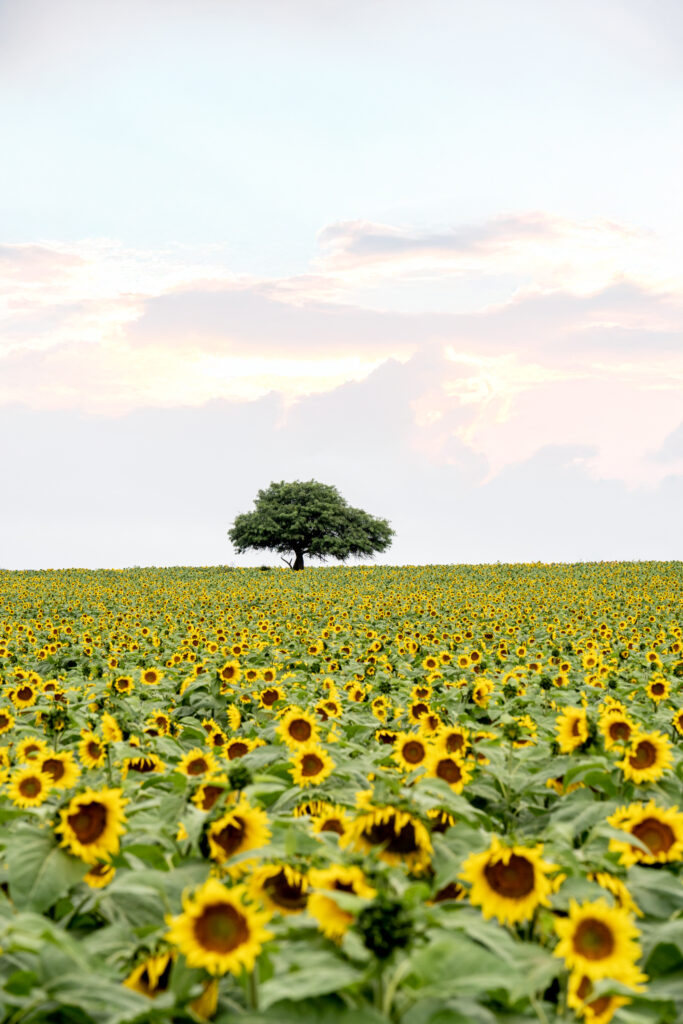
The fields don’t announce themselves. You pass through open gates, down dirt tracks that cut through sunflower and sorghum fields, past the piquillin thickets that line the creek beds, until the truck stops somewhere that looks, to the untrained eye, like everywhere else.
But the guides know exactly where they’re going.
H&H controls over 20,000 acres of land in the heart of the Córdoba province’s prime roosting zones. The positioning is the product of three decades of knowing how doves move, where they feed at dawn, where they roost midday, and which fields pull the heaviest flight in the afternoon.
When the guide points to your spot and says “aquí,” he means it.
First Light, First Birds
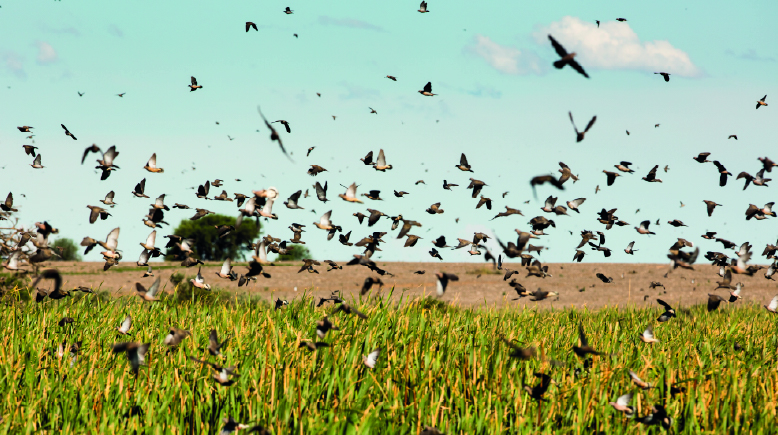
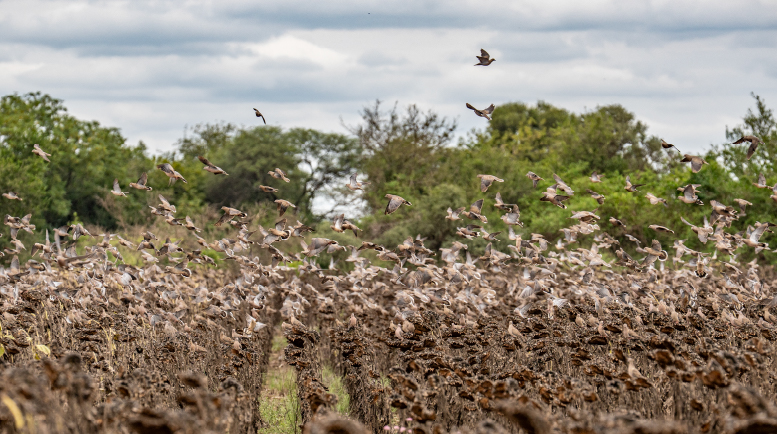
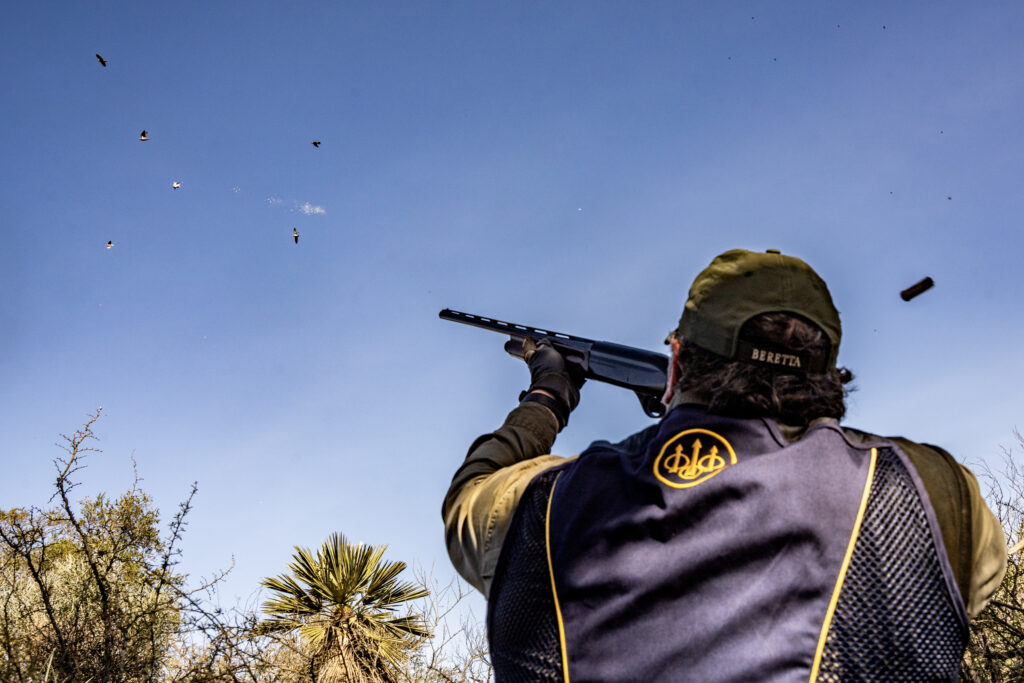
The eared dove (Zenaida auriculata) doesn’t give you time to settle in. Within minutes of setting up camp, the first birds are already crossing. Fast, erratic, flying low out of the tree line and then breaking hard right. They don’t follow a pattern. They make you adjust.
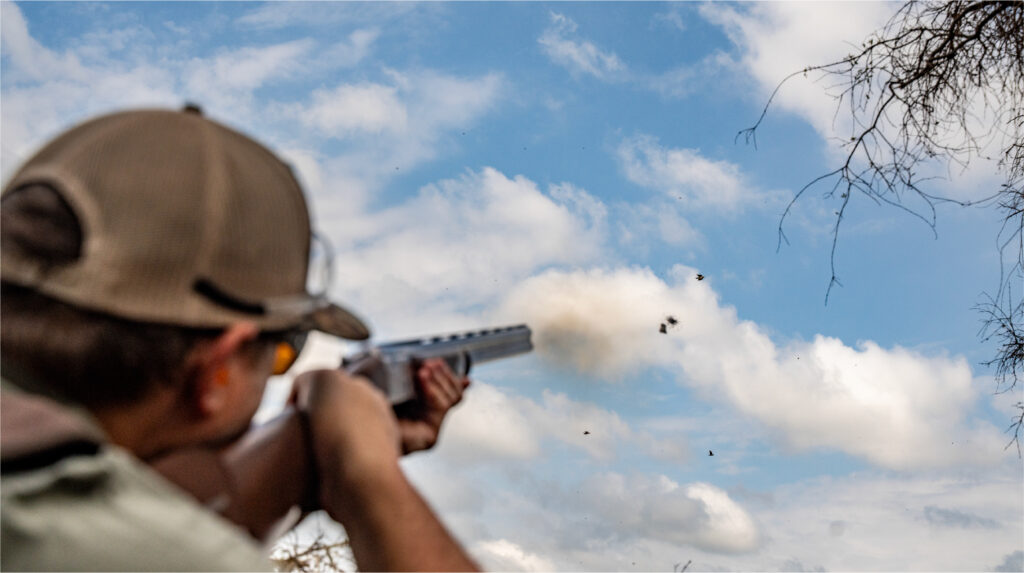
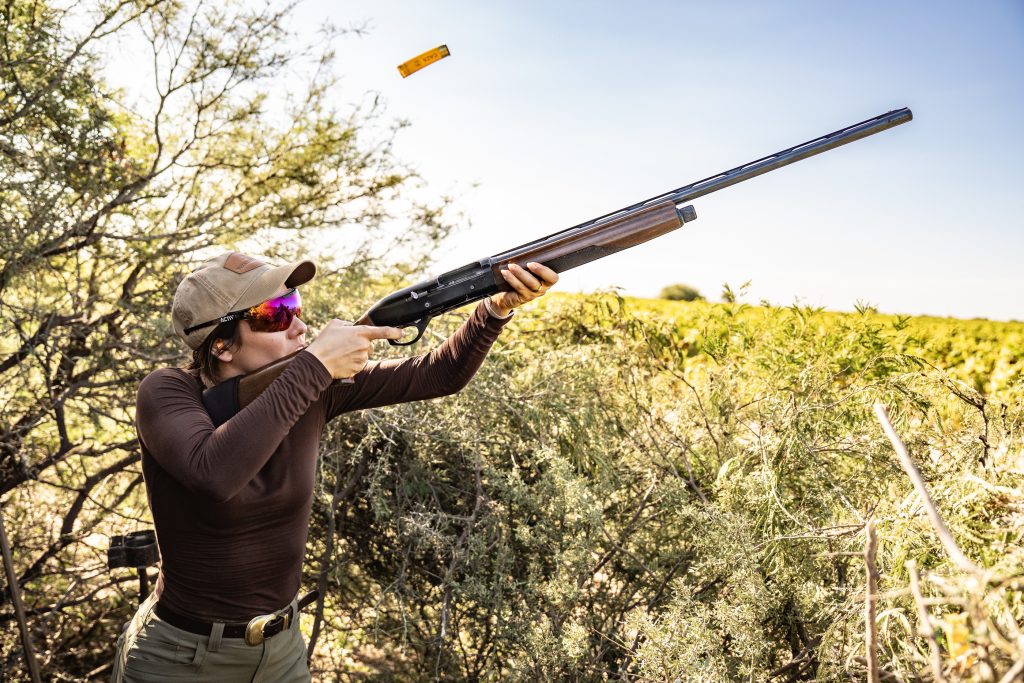
That’s the thing about high-volume dove hunting that no one tells you before you arrive: it’s both volume and difficulty. These birds are small, quick, and they rarely cooperate. You’ll miss shots you were sure of and make shots that surprise you. By 10 AM, your shoulders will remind you that this is a sport.
Meanwhile, your shell loader is already at work: a quiet, efficient rhythm of load-and-pass that keeps your gun live without breaking your concentration. It’s a system that takes a little getting used to, but once it clicks, you understand why hunters come back to Argentina specifically for this format.
The Mid-Morning Lull (and the Snacks That Appear From Nowhere)
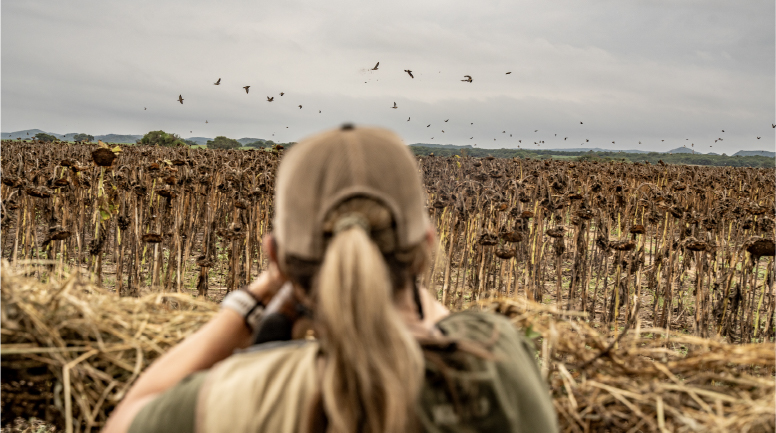
By mid-morning, the first wave of birds begins to ease. The guides read this like a weather report and start moving positions. It’s a good time to hydrate, swap stories, and marvel at the shell count already stacked in the field.
This is also when the lodge shows up with provisions: cold soft drinks, empanadas, sometimes a thermos of mate. Nobody goes hungry.
It’s also one of the quieter, more memorable parts of the day. Two or three hunters standing in the open, watching the Córdoba sky go from gold to deep blue, talking about the morning’s shots. No phones. No deadlines. Just the field and whatever comes next.
Back to the Lodge
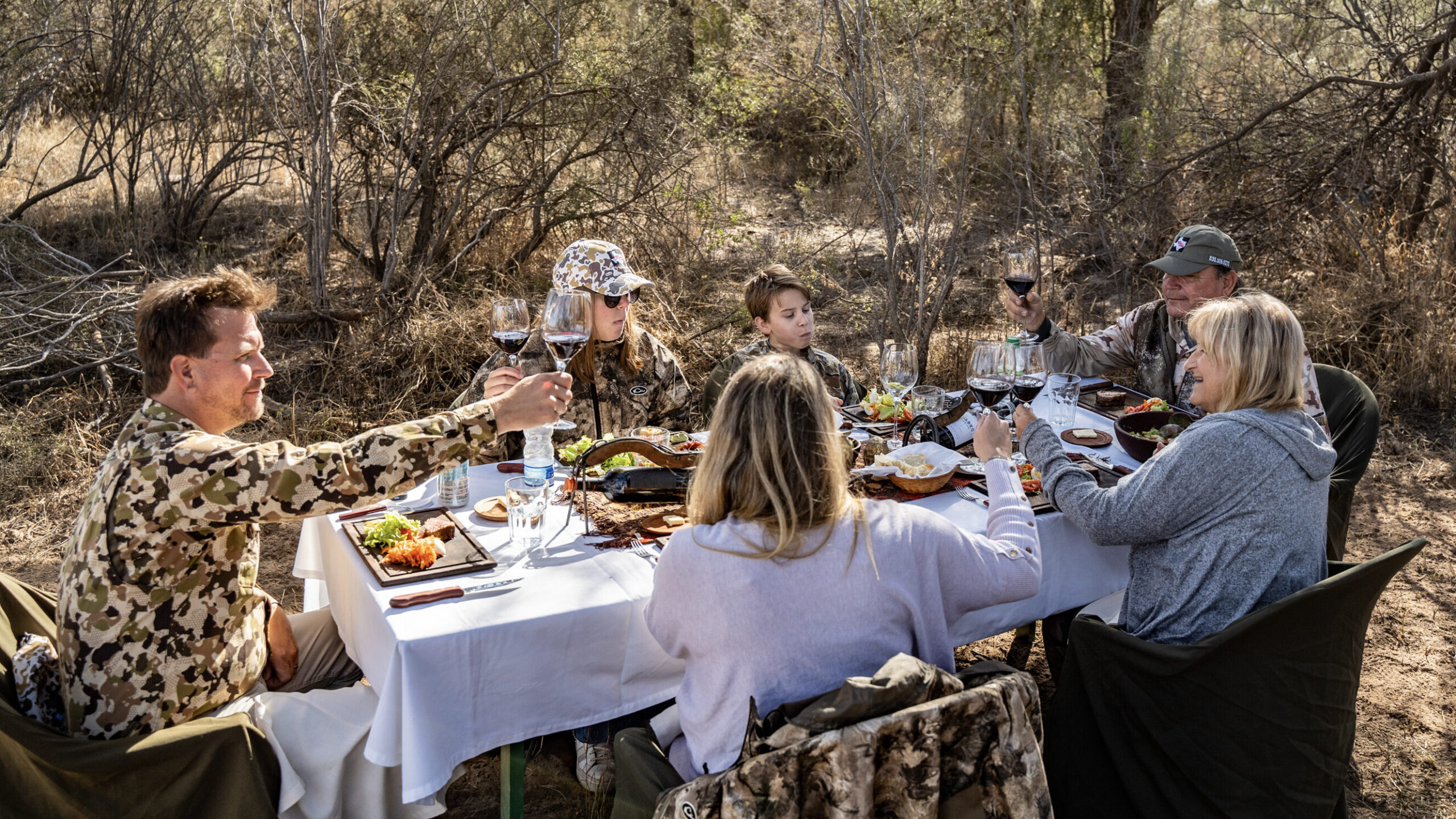
H&H will not settle for a sandwich at a folding table as lunch. It will be a fully appointed table where Argentine delicacies abound..
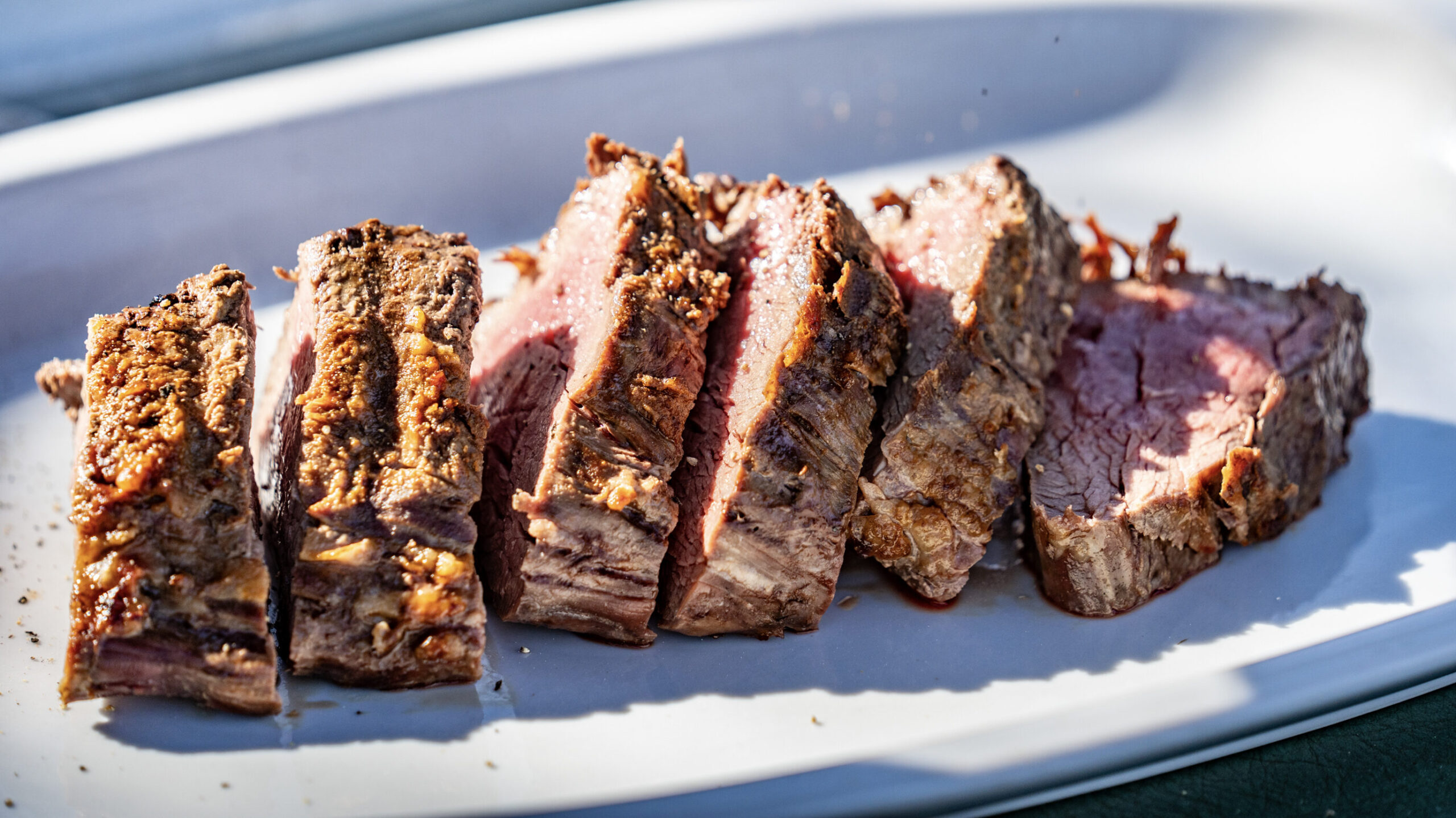
Depending on the lodge — Guayascate, La Porteñita, or Escondido — you’ll sit down to something like grilled beef, fresh salads, locro in colder months, or a full roasted chicken. There’s fine wine on the table to accompany the dishes. There’s always dessert.
The hour or two after lunch is yours. Some guests go back to their rooms. Some sit by the pool. Some review footage from the morning. The guides, for their part, are already planning the afternoon.
The Afternoon Flight
The afternoon is a stark contrast from the morning. The birds fly higher, the light is stronger, and the heat (in Summer) makes the whole field shimmer. But the volume in the late afternoon, especially in the March–July peak season, can exceed the morning by a significant margin.
This is when experienced hunters find their rhythm. The fatigue of the morning is worked through, the eye is calibrated, and there’s a kind of focused calm that sets in. Some of the best shooting of any trip happens in the last two hours of daylight.
When the light finally starts to drop and the guides signal the end of the day, the field goes quiet again — the same quiet as the morning, but heavier now, earned.
The Asado
There’s a saying in Argentina: “the asado isn’t just dinner. It’s the reason the day happened”.
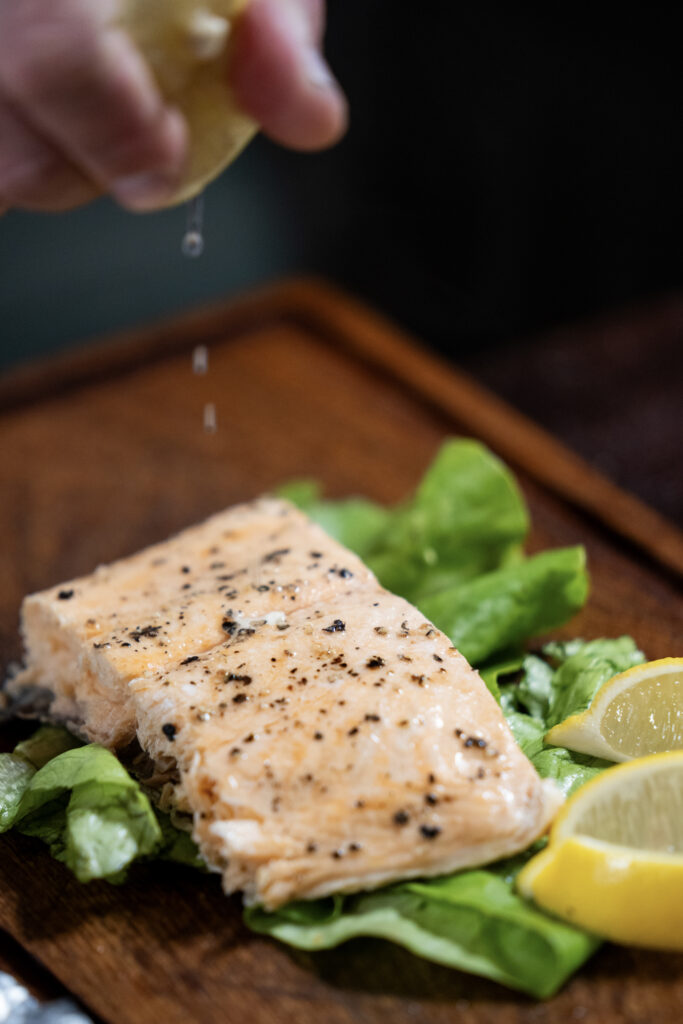
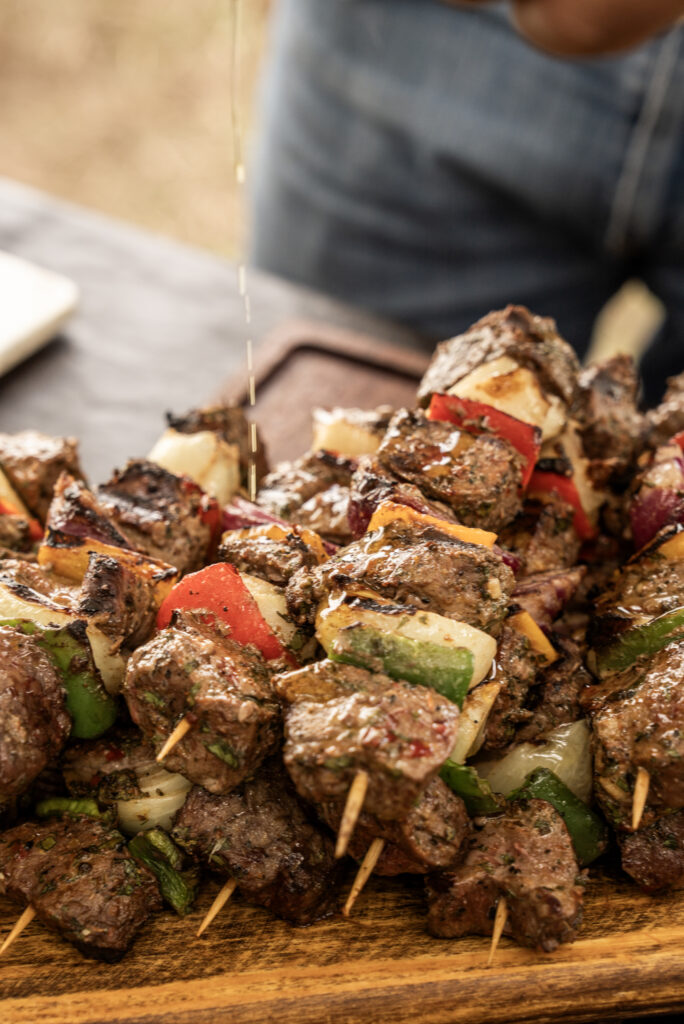
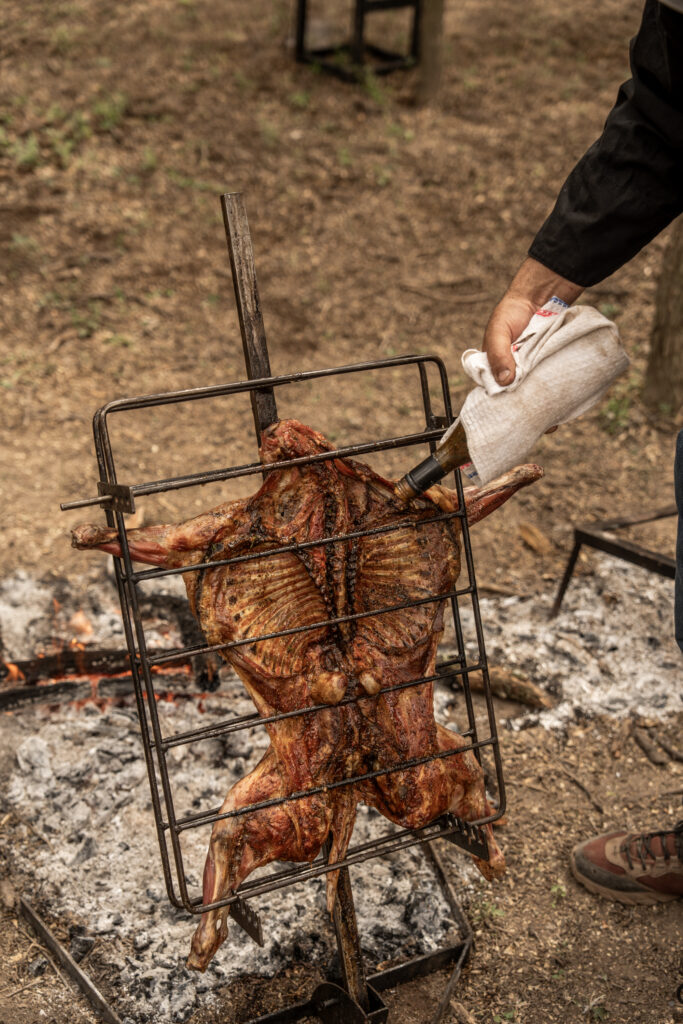
At H&H, the evening meal is the social center of the trip. The fire is built properly, the meat — vacío, costillas, chorizo — comes off slowly, and the table that forms around the grill is where the day gets retold, exaggerated, and laughed about.
Guests from different groups cross paths here. The guides share a table nearby. Someone opens a Malbec. The shell count is compared. The best miss of the day is voted on by committee.
This is the part of the experience that’s hardest to communicate in a brochure.
What Makes a Day Like This Possible
A hunting day in Córdoba sounds simple on paper: drive out, shoot birds, come back. But the quality of what happens between those two points is entirely a function of the operation behind it.
The fields are expertly managed. The bird populations on H&H land are sustained through dedicated habitat work, such as native tree preservation, crops planted exclusively for doves and no-till farming practices. The lodges are staffed by people who have been doing this for years, some for their entire careers.
And the field assistants — the men who read the sky, position you correctly, load for you without breaking your concentration, and track birds in the brush — are the invisible architecture of a great day.
If you’ve been thinking about a Córdoba trip, the question worth asking isn’t whether the shooting will be good. It will be. The question is whether you want to do it with people who have spent 30 years making every other detail just as good.