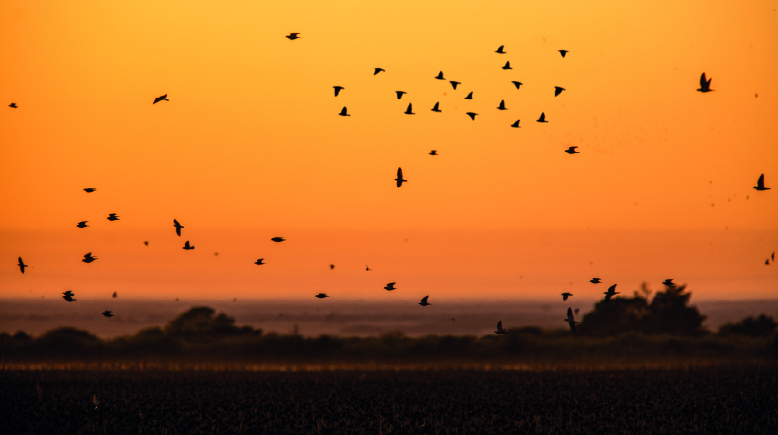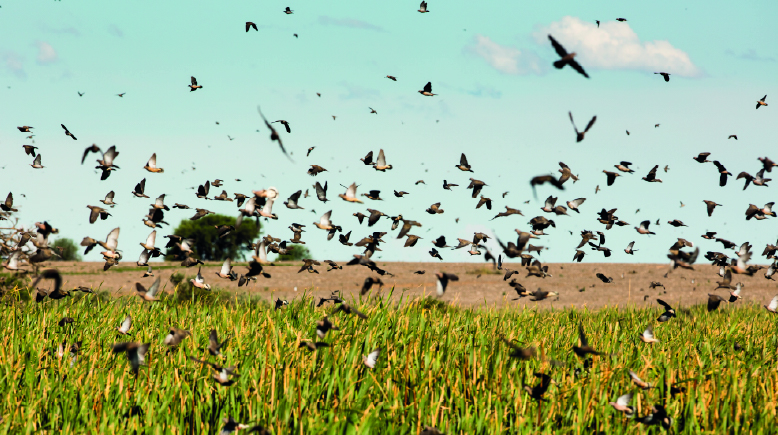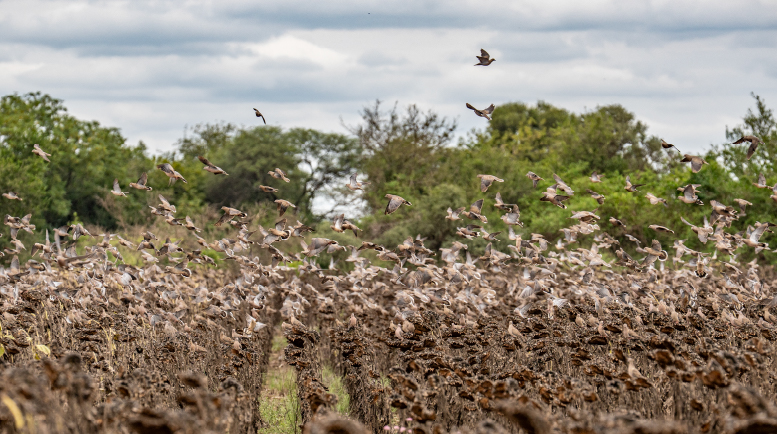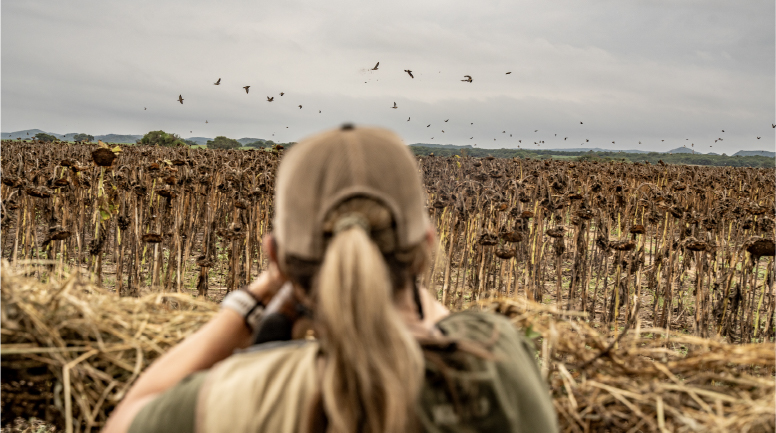
When it comes to pigeon hunting in Argentina, many hunters are drawn by the fame of the golden dove (eared dove), the undisputed star of the Cordoba skies. But did you know it’s not the only species you can hunt? In this guide, we’ll introduce you to the main pigeon varieties found in Argentina, their behavior, and the best techniques to pursue each one.
Major pigeon species in Argentina
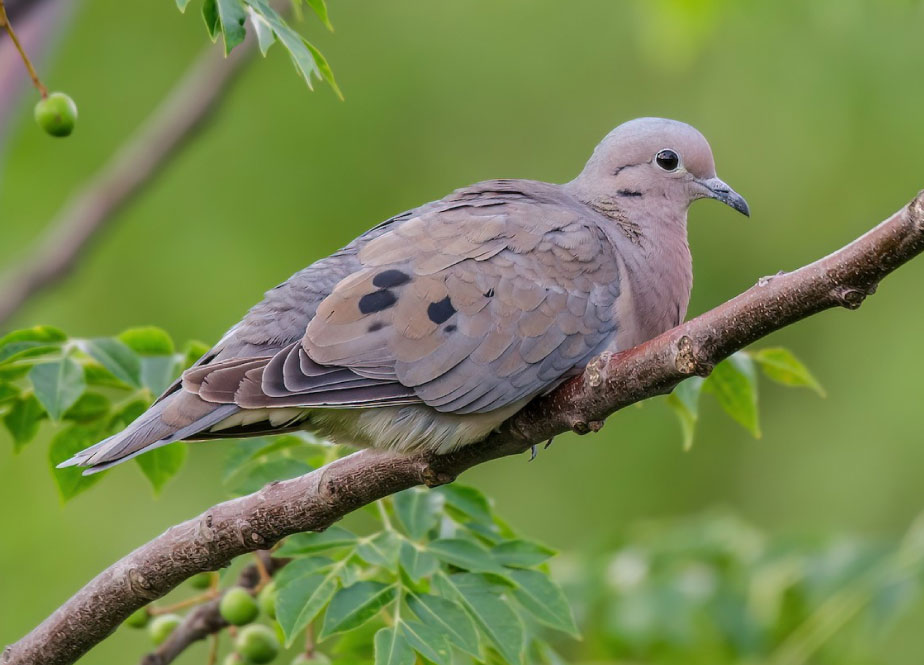
Eared dove (Zenaida auriculata)
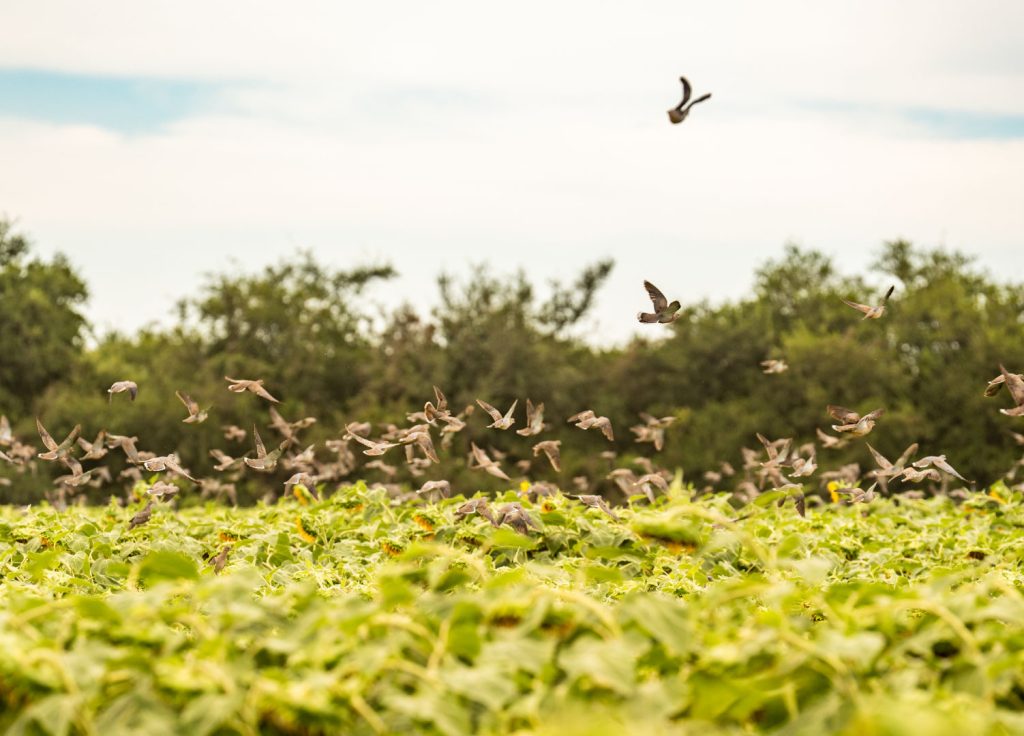
It is the star of hunting in Cordoba. Easily adaptable to different regions and extremely prolific, guaranteeing constant flying days. Its flight is agile, with erratic patterns, which requires fast reflexes.
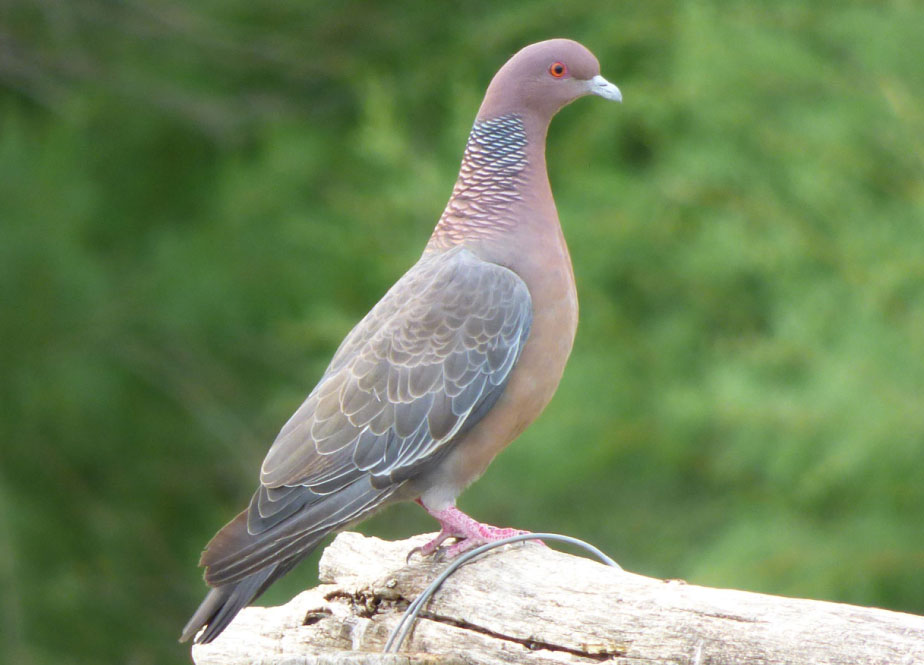
Picazuro Pigeon (Patagioenas picazuro)
The Picazuro is the largest of the huntable species in Argentina and offers a completely different challenge from the eared dove. It flies higher, slower and in a more predictable pattern — but its size and altitude make it a demanding target that rewards precision over speed.
At H&H Outfitters’ Escondido Lodge, Picazuro hunting is available in the same trip as dove hunting — making it the only lodge in the region where you can pursue both species in a single visit. Mornings on dove fields, afternoons on pigeon — or dedicate entire days to either species.
Key characteristics:
Best season: year-round at Escondido Lodge
Size: significantly larger than the eared dove
Flight: high, slower and more linear than dove
Difficulty: low — slower and more predictable flight than dove
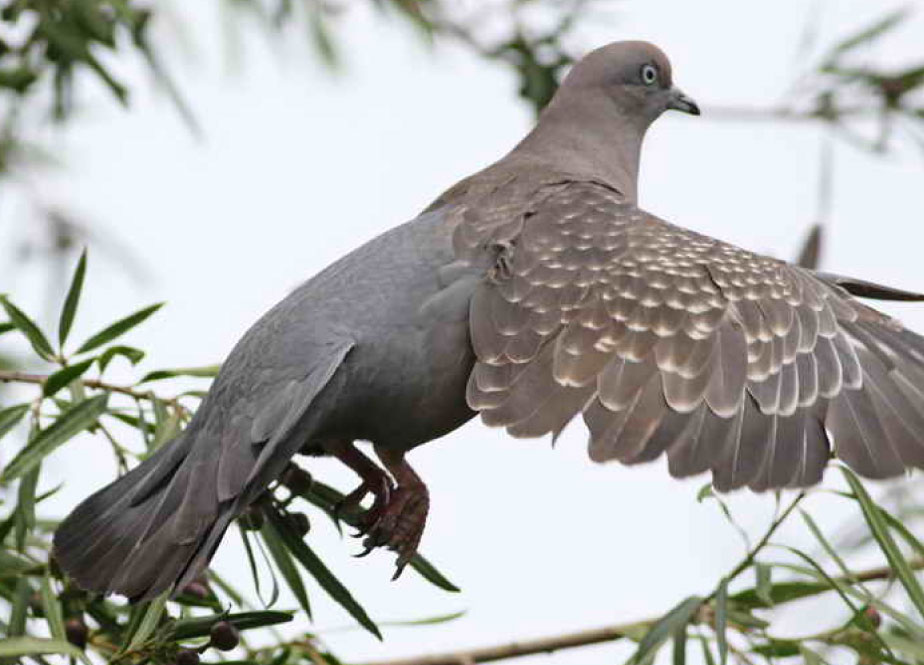
Spot-Winged Pigeon (Patagioenas maculosa)
Less common but present in specific regions of Córdoba. Recognized by its robust size and distinctive white spots on the wings. They move in small groups at higher altitude, making them one of the more challenging targets in Argentina.
Key characteristics:
Best season: varies by region
Size: large, similar to Picazuro
Flight: high altitude, in small groups
Difficulty: high — requires strategic positioning and terrain knowledge
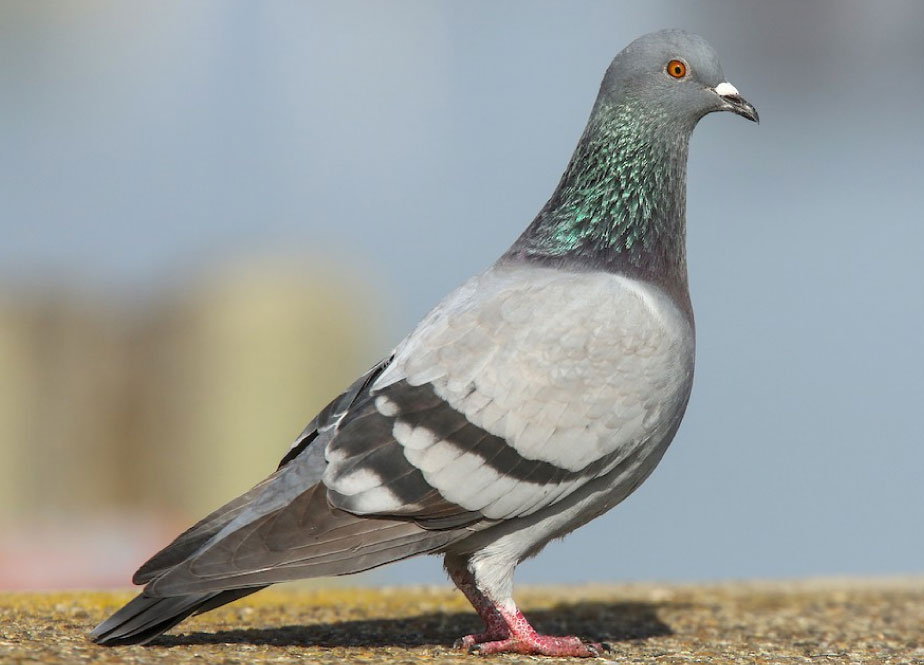
Rock Pigeon (Columba livia)
Also known as pigeon, it is the classic urban pigeon, but in rural environments it can be seen feeding in open fields. It is not a common target, but its presence can add diversity to the day.
Habitat and behavior
Most species live in cultivated areas and steppe, taking advantage of the abundance of seeds and the temperate climate. Eared dove, for example, can breed several times a year thanks to the availability of food. Other species, such as the pigeon, are well adapted to semi-urban areas and are opportunistic when looking for food.
Recommended techniques by species
- For eared dove, a fixed post with natural cover is recommended, taking advantage of its flight patterns between fields.
- The Picazuro pigeon requires more measured shots and precision, as it flies higher.
- For species such as spot-winged or rock pigeon, success depends on a good strategic location and knowledge of the terrain, since they do not follow such predictable routes.
Comparative table
| Specie | Size | Behavior | Difficulty level |
| Eared dove | Small | Erratic flights, in groups | Middle |
| Picazuro pigeon | Big | High, slow flight | Low |
| Spot-winged pigeon | Big | High flight, in groups | High |
| Rock pigeon | Medium | Moderate flight, adaptable | Middle |
Ready to recognize them in the field?
Identifying each species not only improves your performance, it also elevates the experience. At H&H we not only give you the best place to hunt, we also help you understand and respect every aspect of your environment.